
A Conversation on Preventable Airway Loss: Learning from the Story of Drew Hughes
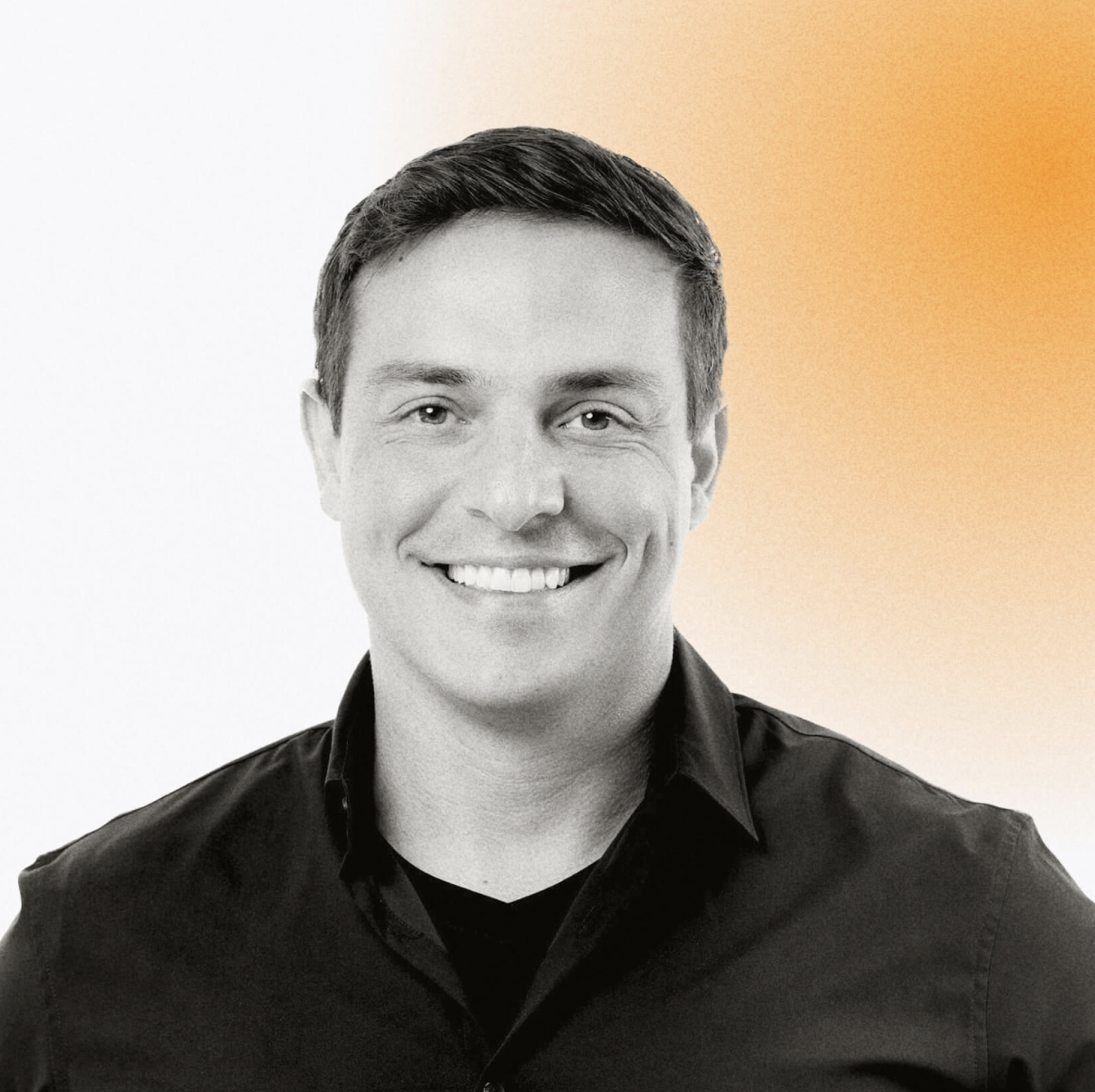
Andrew Napier, MD
Founder & CEO, IntuBlade · March 2026
I recently had the opportunity to sit down with David Hughes, the father of Drew Hughes.
As clinicians, we are trained to look at cases through the lens of GCS scores and intubation metrics. But my conversation with David wasn't about data. It was about a 13-year-old boy who should still be here.
In 2013 Drew was injured in an accident and was transported to their local hospital for care. He was alert. He was talking to his Dad. He said he just wanted to go home. At the request of Drew's father, Drew was then being transferred to a different hospital with resources not available locally. As a precautionary measure Drew was intubated for the transport. During the transport the tube was dislodged and placed back in his esophagus instead of his trachea. Drew was without oxygen for approximately 30 minutes. Drew never recovered.
When we look back at the events of 2013, we don't look for villains. We look for the gaps. We see a team that was thrown together in a crisis, a 30-minute esophageal intubation, and a lack of objective feedback tools like waveform capnography that we now know are essential.
These errors are heavy. I know the clinicians involved carry that weight every day. We don't tell this story to place blame. We tell it to humanize the systemic failures that can happen to any of us when we don't have the right support systems in place.
The second victim in cases like this is real. The providers who were there that night didn't walk away unchanged. Neither did Drew's family. Neither should we.
The Anatomy of Ambiguity: When Systemic Failure Becomes a Personal Responsibility
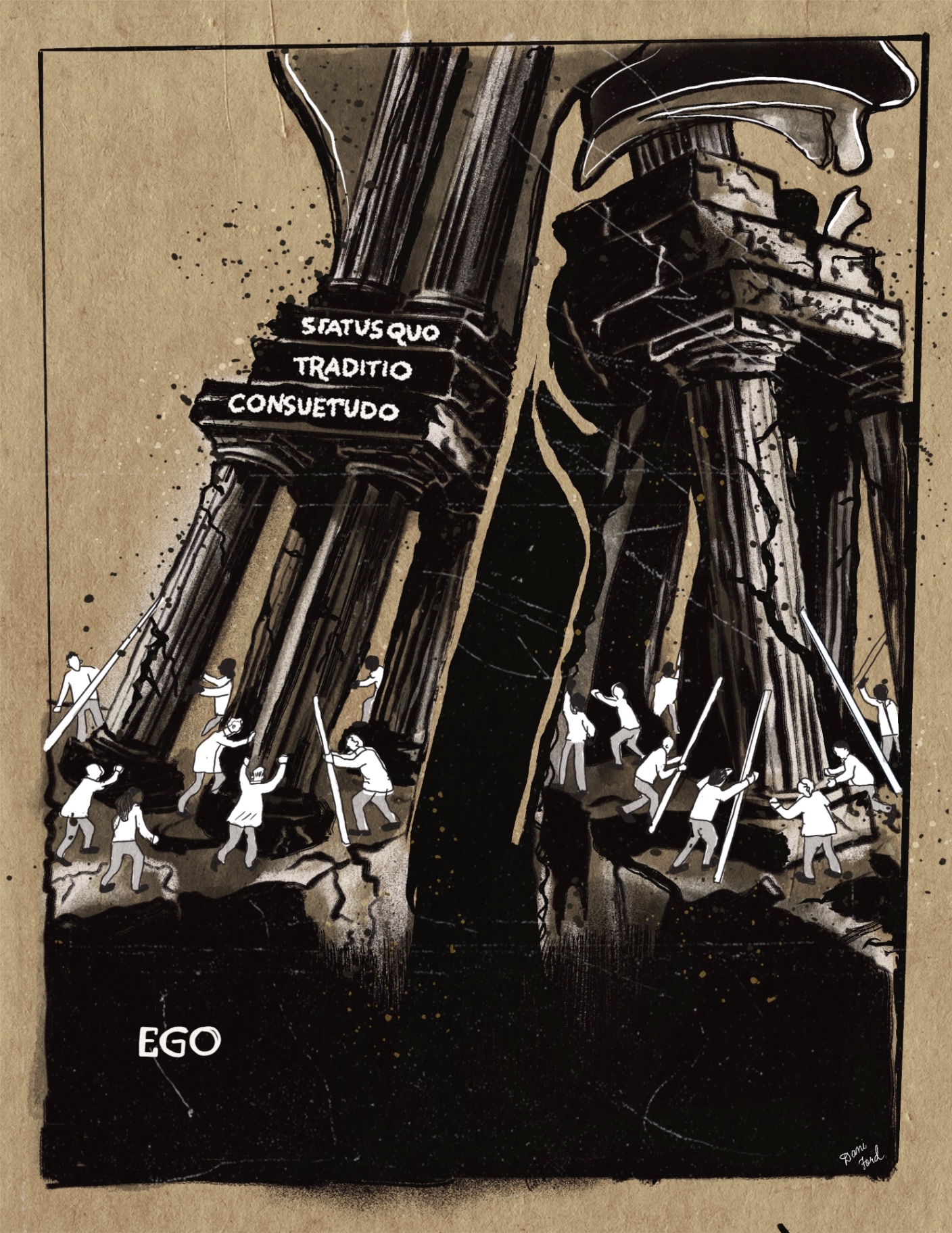
What Drew's story asks of us is not guilt. It is attention. Attention to the gaps that still exist in training consistency, protocol clarity, and the objective documentation tools that remove ambiguity from the most critical moments in patient care.
"I honor Drew by telling his story. Because he should be here right now."
David Hughes, Founder of the Do It For Drew Foundation
Waveform capnography. Video documentation. Standardized protocols. These are not luxuries. They are the infrastructure that catches what human judgment sometimes cannot, especially in high-pressure, low-resource environments where teams are doing their best with what they have.
We carry Drew's story with us as a reminder that airway management is never just a clinical procedure. It is a human responsibility.
To support David's work in preventing these events, please visit the Do It For Drew Foundation.
To read Drew's story as his father tells it, visit His Name Was Drew.