
EMS Week 2026
What a 38-year chief said this week
Published for EMS Week 2026. A field reflection from the IntuBlade team.
It is EMS Week. We were going to write something about the field. Then a chief emailed us, and what he said is better than anything we would have written.
He has been in the field for just a few years, 38, to be exact. He is firmly old school. His position on video laryngoscopy until last week, in his own words:
"Listen, if you can't do it manually, get a decent BLS airway and you're good."
Then his crew ran a difficult intubation. Trauma cardiac arrest. Heavy contamination. His paramedic went in with direct laryngoscopy and could not see the cords through the blood and mucus. They suctioned. The view did not improve. They backed out and resumed bagging.
The chief reached for an IntuBlade. His medic plugged it into a tablet in the back of the rig, went in, and passed a 7.0 mm ETT through the cords on the first attempt.
A few days later, the chief sat down and emailed us about it. Our founder, Dr. Andrew Napier, called him back. The conversation lasted 22 minutes. Most of it was him processing what had happened in real time.
"I was skeptical in the beginning. Very, very old school. After seeing this with the video laryngoscopy, I'm sold. It changed my mind."
"The quality of the video was astounding. You know exactly how to manipulate the blade to get the desired effect. You're not guessing."
He told us about the moment after the tube was in. Two field providers, decades of experience between them, briefly speechless because something worked the way it was supposed to.
"I looked at Larry and I go, 'Hey, hot dog.' He goes, 'son of a b**ch.'"
That moment is not a marketing moment. That is what celebrating a save sounds like at 3 a.m. in the back of a rig after running on adrenaline for thirty minutes. We are sharing it because it is what EMS Week is actually about: not graphics, not thank-you posts, but the work itself, and the people doing it.
The clinical context
The case described here is exactly the kind of unanticipated difficult airway that current guidelines were updated to address. The 2025 Difficult Airway Society (DAS) guidelines now recommend video laryngoscopy as first-line for tracheal intubation whenever possible, citing improved first-attempt success and reduced complications compared with direct laryngoscopy. The clinical evidence has been building for years. For a deep dive into the data, read our complete analysis of first-pass success in critically ill patients and our comprehensive DAS Commentary Part 1.
The full story
We documented this deployment in detail: the clinical sequence, the field metrics, and the conversion from skeptic to buyer.
Field Report
Read Field Case 001
The full deployment overview: clinical sequence, field metrics, and the chief's account in his own words.
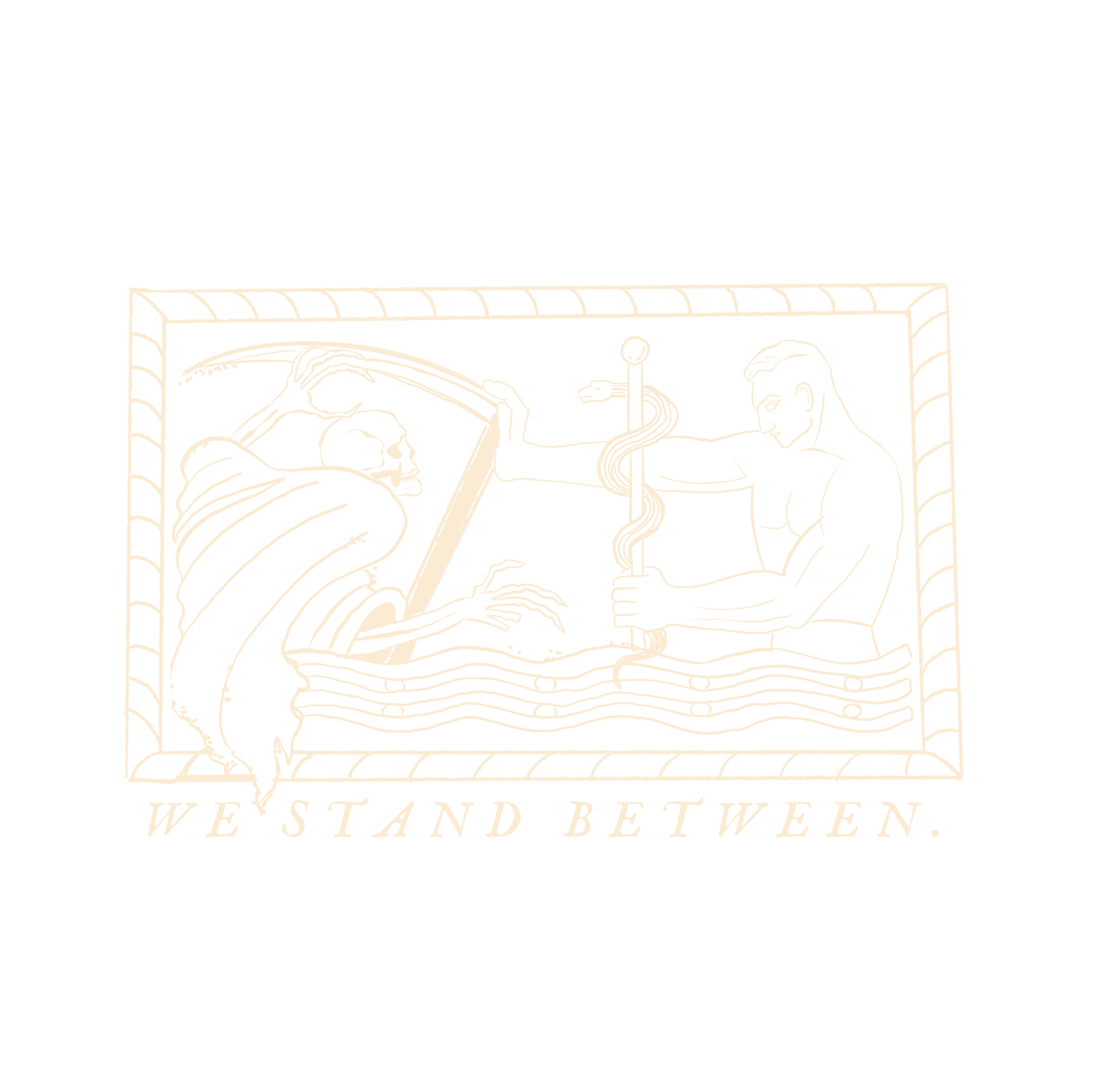
To every provider reading this
We do not know how to thank you in a way that feels equal to what you do. We know how to build for you. We know how to listen when you call. That has to be enough.
IntuBlade is an FDA Registered, Class I medical device. Rx Only. Always maintain direct patient airway awareness and do not rely solely on screen visualization. Individual agency clinical deployment results may vary.